This article is not for most of you readers, as you probably already have at least a basic understanding of what gear you do and don’t need. I am not writing this article for you, I am writing it so you can show it to your friends who are just breaking into the realm of preparing for the coming fight, and need a little guidance. At the very least, read it so you can make recommendations to them so that they will be assets, not burdens, when you eventually strap up and take them on a patrol.
WARNING: Opinion
If you’re just starting out into prepping and you’re looking to build up a fighting kit, all of the info out there can be pretty overwhelming. The natural tendency is to focus on the cool-looking points of your gear, but this can be counter-productive, especially when you have a fixed income. For example, it’s natural to immediately buy an AR with a bunch of accessories, and maybe splurge on a high-end plate carrier and plates because that’s what you see all the “cool guys” wearing, and you need body armor right? The problem is that you just spent a ton of money on your rig, and you haven’t invested into some other basic things you need to sustain yourself during operations, like a good pack, ammo, or even canteens.
In this article I will list the purchasing priorities for building a rifleman’s kit piece-by-piece, so that you can efficiently build up your gear and yourself to be as ready as possible for when it’s time to defend yourself and your liberties. I am trimming away all of the tacti-cool fat and unnecessary gear so you can make the most out of your limited budget and keep your priorities straight.
I must note here that this is not a post about prepping. Things such as alternate energy, homesteading, and water purification are indeed important, but are beyond the scope of this article and my expertise. Perhaps someone more knowledgeable than I could write up a similar article along those lines later on. I am writing purely from the perspective of someone who is gearing up for a potential civil conflict/WROL scenario looking to make themselves an asset to their family, their team, and their country. Again, everything you’re about to read is my personal opinion based off my experience, feel free to disagree with anything I say.
Rifleman’s Essentials
This is the bare minimum of what you need to be proficient in a firefight, and thus where you should start.
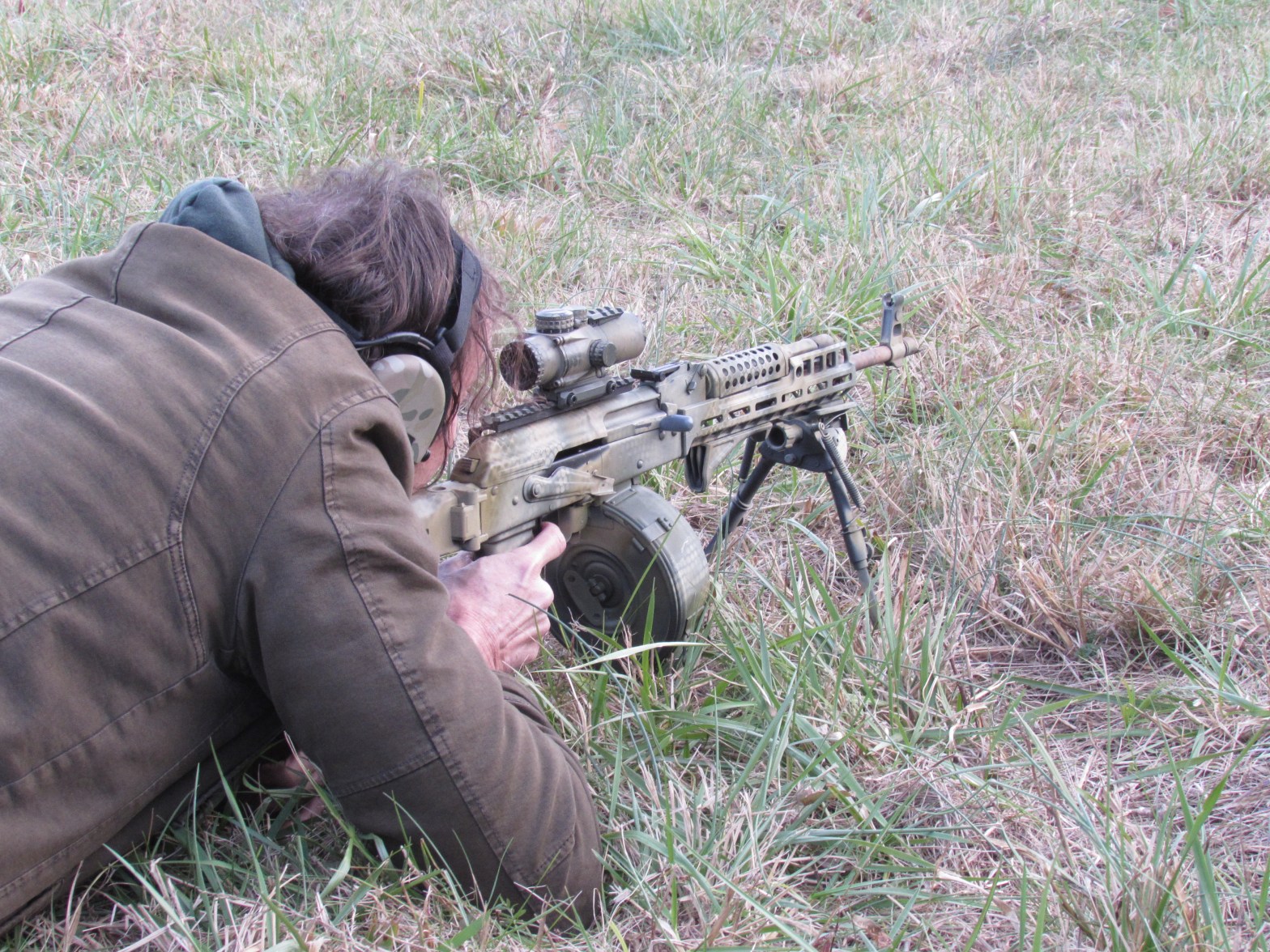
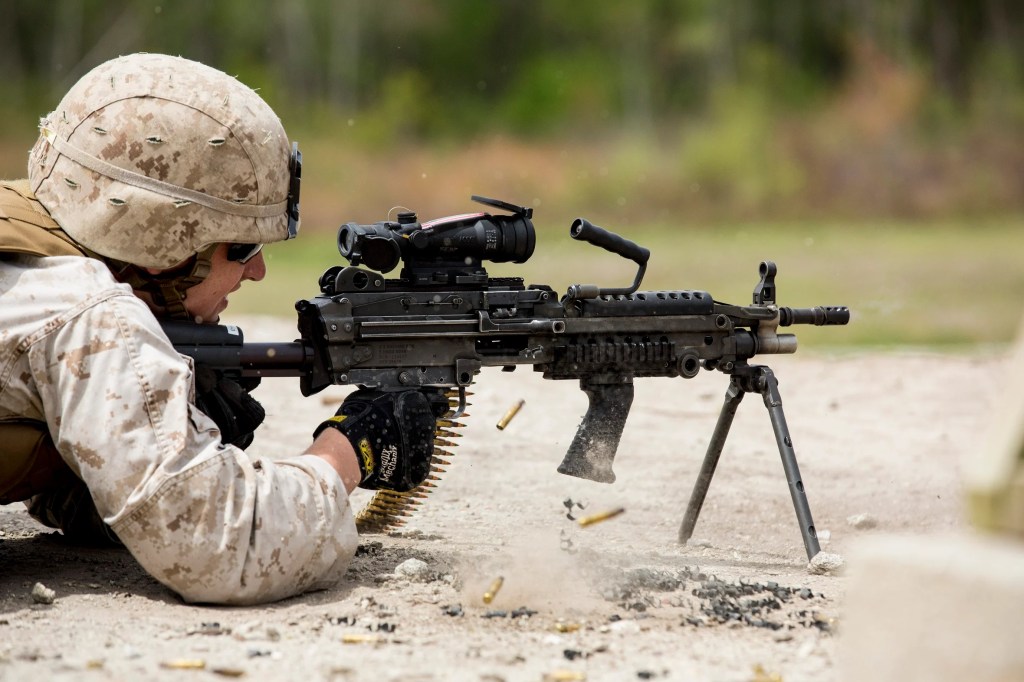
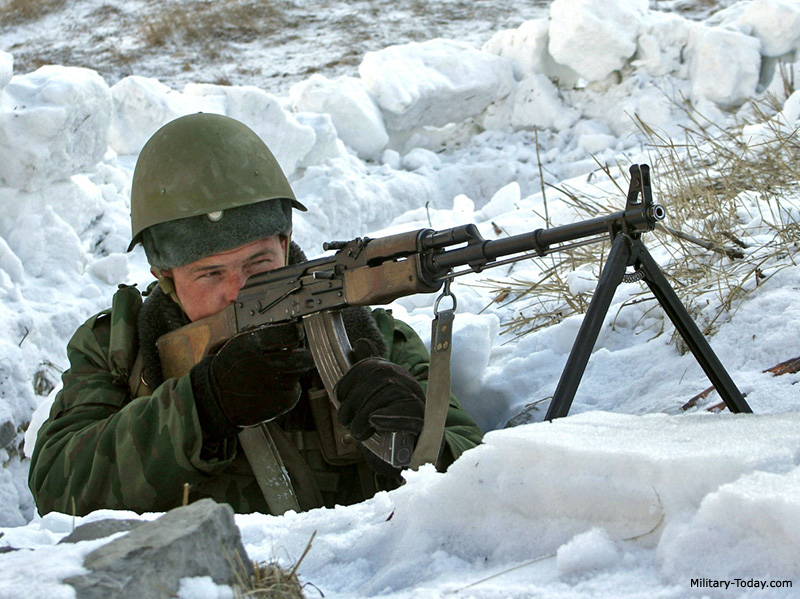
The first step is simple, as a rifleman you need a rifle. Notice I said a rifle, not a rifle with a scope, laser, bipod, and flashlight, those are much further down the list. I’m talking about a bare-bones rifle with iron sights AND THAT’S IT. For now. Also note that rifle was singular. It’s better to have one rifle and a full kit and ammo than ten empty weapons collecting dust. There’s too much that goes into weapon selection to cover here in depth, so I’ll be brief. Your rifle should if possible meet the following criteria:
- It should be easy to feed. 6.5 Creedmore or .300 BLK are neat cartridges, but you can’t afford to be paying over a dollar/round. These days the best choice is probably 7.62×39, which can still be had for 40 cents per round. This is, however, a call you should make yourself. If magazine-fed it should use affordable, commonly available mags.
- It should be reliable. There’s a lot of gimmicky weapons out there, try to stick with combat-proven platforms that don’t have a tendency to go click when you need them to go bang.
- It should, if possible, be matched to your environment and mission profile. To determine this you will need to consider how you will be operating. At what distance will you most likely engage targets? Will you need to make shots through brush, or is your terrain more open? An accurate survey of your surroundings will determine factors such as caliber, barrel length, etc.
If you have a limited selection, any rifle is better than no rifle. Even if you have a bolt-action Mosin-Nagant or a hunting rifle, you can be effective with it if you train accordingly.
Next you need the ability to feed said rifle. You should purchase 1,000 rounds of whatever caliber you are running, put it in sealed ammo cans, and DO NOT TOUCH IT. This is your emergency reserve, you only pull it out if you need it to protect life, liberty, and property in SHTF. Buy in bulk online for the cheapest prices. Any ammo you buy beyond this you can shoot in training.
Also in the realm of feeding your rifle, you need additional feeding devices (magazines, stripper clips, enblocs, etc.). For a start, you need to be able to carry at least 120 rounds on your person plus whatever’s in the gun, so at a minimum 5-6 magazines or that equivalent amount in stripper clips. If you can get more, get more. You can never have too many magazines, but at this point 5-7 will suffice.
Now you need a way to carry all those magazines on your body, so you should get some kind of load-bearing gear. There’s a ton of articles, videos, and posts about different kinds of kit so I won’t go too in-depth here. Suffice to say that you don’t yet need body armor, just a way to carry your combat equipment and ammo.
Medical equipment is next. You need a trauma kit to quickly mitigate life-threatening injuries so you can survive the trip to the hospital/casualty collection point. You need items like quick clot, bandages, chest seals, etc. in your IFAK somewhere on your gear. You also need tourniquets, 2-4 of them. Get the same type so you only need to practice one way, and then get an extra one to practice with. Make sure your IFAK is somewhere you can easily acces it, i.e. NOT on your back.
You need a way to carry water on your load-bearing kit. You won’t last long in combat operations without water, so you need to have some on your gear. Camelbacks work great, but make sure you have extra bladders in case it pops. Canteens work as well, but if that’s all you have then you will need to get used to drinking a whole one-quart canteen all at once to prevent a half-full canteen from sloshing and making unwanted noise. It is possible, Marine Recruits do it every night in boot camp before going to bed.
Sustainment Gear
Now that you have all the Rifleman’s Essentials, you need to have the ability to sustain yourself in combat operations for a few days or even weeks. Sustainment gear satisfies basic human needs for survival such as water, food, and shelter, to keep you alive during extended periods of time in the field. For our purposes, we will assume a 1-week field stay without resupply.
First and foremost, you need a pack to carry everything. There’s a ton of models out there, so let me save you some trouble. Get a medium ALICE pack, preferably with a frame. It’s simple, been in service with the military for decades (even though no longer issued, trust me it’s still in use), and is big enough to hold everything you need without a lot of extra space. It’s also much cheaper than newer packs of comparable size and durability, making it ideal for the budget warrior. That’s my recommendation, do with it what you will.
If you haven’t already, get a sling for your rifle. Slings are useful for saving your arms during long patrols, stabilizing the rifle in a prepared firing position, freeing your hands for other tasks, and keeping accountability of your weapon so it’s ready to go at any time. Get an easily adjustable 2-point sling, single-points are only good for CQB and in mounted vehicle operations. My personal go-to is the Blue Force Tactical Vickers Sling, but there are other good ones out there.
The first basic human need for survival is water. You cannot carry enough water in your pack for a week’s worth of combat operations, so you need a way to purify/filter water in the field. I highly recommend Sawyer Mini water filters. They’re small, weigh almost nothing, re-usable for more water than you will ever drink in your life, and only cost about $20 each. You should also have about half a gallon more water in your pack in addition to what’s on your gear, so two additional canteens will do nicely.
The next basic human need is food. Technically, you can survive for 40 days without eating before facing any permanent harm to your body, but you’re not planning on merely “surviving” are you? We’re talking about combat operations, and whether it’s patrolling, manning an observation post, or getting into gunfights, there’s a lot of physical exertion involved and you need calories to keep going. If you can get them, military MREs are a great option that is lightweight, compact, and calorie-dense. Plan on eating 2 per day, field strip them, and put them in your pack. If you can’t get MREs, there are similar options on the civilian side of the house, Mountain House being a great one. Canned chilis and soups are also decent options if you have nothing else, but they get heavy. Camp stoves, while nice and compact, are luxury items. Up to you if you want to spend your money on one, but if we’re trimming all the fat, save your money.
The final basic human need is shelter, or protection from the elements. This will vary greatly depending on your environment. If you live where it gets chilly at night, you will need a compact sleeping bag. If you’re further north you will need two sleeping bags, a lightweight one for summer and a heavier one that can stand freezing temperatures. If you live further south, you can probably get away with just a light blanket or even no warming layers at all in summer. If you live in mosquito country, you may choose to invest in a bug net for sleeping in just your clothes.
Unless you live in an arid climate, you will have to contend with rain at some point. During the daytime this may not be an issue, but being wet and cold at night trying to sleep is miserable, and could be lethal if you get hypothermia. Invest in a military surplus GI poncho or tarp, and learn how to make a Royal Marine Rig or lean-to out of it. Sleeping under a tarp may not be appealing to many, but it is well worth it not to carry around a tent everywhere. You will probably also want a sleeping pad, both for comfort and to keep your sleeping bag dry and out of the mud. Sleeping pads are also a lifesaver when you’re resting on your elbows for hours in an observation post.
Speaking of rain and mud, you will need some kind of rain gear to wear with your kit. Rain jackets, like Gore-Tex, are probably your best bet. Ponchos work but not with every type of load-bearing gear.
A great tool to have for field living is a good fighting knife/bayonet. Besides poking the blood out of people, a large (5”-8”) fighting knife can be used for a huge number of tasks in the bush, such as building a shelter, preparing a fire (tactical situation permitting), opening cans, cleaning fish, etc. Trust me, you won’t regret having a good knife somewhere on your kit.
Force Multipliers
Once you have the Rifleman’s Essentials and the ability to sustain yourself for up to a week during operations, then you can begin investing into force-multipliers. Force-multipliers are so called because they are tools which greatly enhance, or multiply, your lethality on the battlefield.
- Another rifleman. Yes, that’s right, you shouldn’t be preparing and training alone, you are much more effective as a member of a team. Even if you just have one buddy working with you, it’s a huge leap in combat ability. Don’t just assume that if a civil war breaks out the militias will come to recruit you, you are the militia. Get a buddy, then get two more, and boom you got a fire team. And if you want to learn how to train up the other members of your fire team effectively, I have a class for that.
- Night vision. The ability to move and fight at night is a massive bonus, especially for us as civilians. Our friends at Ready Made Resources have a great selection of NVGs at pretty decent prices, so go check them out. Now, be cautious here. You will need to save up a few thousand dollars to get a good quality night vision unit, and this will take time. You will be tempted to spend your money on other things as you save up, RESIST THE URGE. If you constantly say to yourself “yeah, I need night vision, but I can buy body armor and a cool scope right now,” you will never get your NVG. This needs to be a priority, so be patient. This is such a high priority that I’d even recommend selling any extra weapons/gear you have to get night vision sooner. I did, and have no regrets.
- IR laser. Once you get your NVG (yay!) you will next need a way to aim your weapon using it. The most common way to do this is with an IR laser mounted on your rifle. There are a ton of expensive lasers out there, most of which cost over $1200. I highly recommend ordering a Perst-4 out of Russia. At $450 it’s a cheap, rugged military laser with great ergonomics, with the added bonus that it’s a full power class 3 laser.
- Radios. Absolutely necessary if you plan to coordinate a large squad, or work alongside another team. With radios you can call for medevac, send tactical reports, and coordinate with an extraction team. Baofeng UV-5Rs are pretty good for the price, get a couple of them so you have somebody to talk to. Eventually you may choose to get a more advanced radio, but keep the Baofengs for your friends and teammates to borrow. While you’re at it, get trained so you can make the most out of your investment.
Once you have these investments out of the way, you can begin to add little bits and pieces to your gear as you train and find out what works for you and what doesn’t. Get to a training course where you can experience running your kit and find out what changes you need to make. Grab your sustainment pack and go camping with it for a couple days, see how it works for you. The more you train and practice using your gear, the more context you get for how to make practical investments in equipment that is useful and not just “cool looking.”
Additional Investments
I would like to add a few final notes on some other pieces of kit that you will at least consider buying during your journey, to put them into context as to their actual utility.
- Body armor: Good kit, will stop incoming rounds to vital areas of your body. However, this must be weighed against the fact that it is heavy and uncomfortable, so you should do a realistic evaluation of your level of physical fitness as well as your mission profile. If you plan to wear body armor, plan to do a lot of workouts with it on. Don’t just look at yourself in the mirror and take it off, wear it for a couple hours walking around the house. Go for a run with it on. If you can’t run/jog 3 miles with your armor on without stopping, you’re not ready to use it as your main kit.
- Ballistic helmet: Same deal as with body armor, protection at the cost of added weight. This time the weight is on your head. If you’re not used to wearing a kevlar helmet on your head for a few hours, I can tell you right now that it sucks. Your neck gets tired, parts of your skull get more pressure than others and start to hurt, and it makes you sweat. The new helmets aren’t immune to this either. I’ve worn LWHs, ECHs, OPS-Core high cuts, and MICH helmets, they all suck. Still a good thing to have, but if you’re gonna plan to use it for the real thing, make sure you use it in training a lot.
- Optics: Red dots, LPVOs, fixed magnification scopes, etc. Whatever you get you should get for a purpose to enhance your existing skill. There’s a reason I put this so far down the list. If you practice and get good with your iron sights, you will be good with an optic. You will also have better context to decide what kind of optic you actually need/want. Magnification helps with target ID and longer ranges, illuminated reticles assist with aiming in low-light situations. Don’t buy cheap scopes, you get what you pay for with optics. I’ve seen amazon/wal-mart red dots randomly shut off due to recoil and even snap off the rifle during shooting.
- Fore-grips: There is no objective “best option” here, it is literally user preference for comfort and has little to no effect on your shooting.
- Weapon lights: Unless you’re on a SWAT team, tac-lights have no place on your rifle, the risk of accidentally hitting the on switch and getting you or your teammates killed is too great. If you do get a tac-light for that 1 in 1,000 chance that you actually enter and clear a dark structure, get a light with a QD mount that allows you to keep it in your pack until you need it, and take it off when you’re done.
- Other rifle accessories: Before you put anything on your weapon, ask yourself, “does this make me more effective?” If the answer is yes, buy it. If the answer is no or probably not, save your money.
- Handguns: You don’t need a handgun unless you conceal and carry. The reason is that there is nothing your handgun can do that your rifle can’t do better. The myth that “a transition is faster than a reload” is only true if you suck at reloads. You can better use the weight and space that your holster takes up by holding extra rifle mags instead.
- Assault Packs: These are actually great for carrying stuff that you’d use on a 1-day patrol when you don’t need everything from your sustainment gear. Ideally, you’d get one that either fits inside or clips onto your sustainment pack. Use your assault pack to hold 1 day’s worth of chow, extra ammo/batteries, and anything else that your specific mission requires. Avoid the ones that strap directly to your plate carrier/vest, as you need to remove your fighting equipment to get anything out of it.
- Magazines and ammo: This is never a bad idea. You can always use more mags and ammo, and so can your buddies if they’re running the same caliber as you (they should be).
- Camouflage fatigues: Get a pattern that matches your environment and helps you blend in. If working within a team, try to have everyone wear the same pattern to avoid friendly fire. Keep in mind, however, wearing a “uniform” makes it easier for an enemy to PID you as hostile, but if you’re wearing a bunch of tactical gear with a rifle they can probably PID you anyway.
I hope this helps someone. As I stated at the beginning, everything here is simply my humble opinion, you are welcome to disagree with me in the comments.
Semper Paratus, Semper Discens, Semper Fidelis.



 Von Steuben Training & Consulting