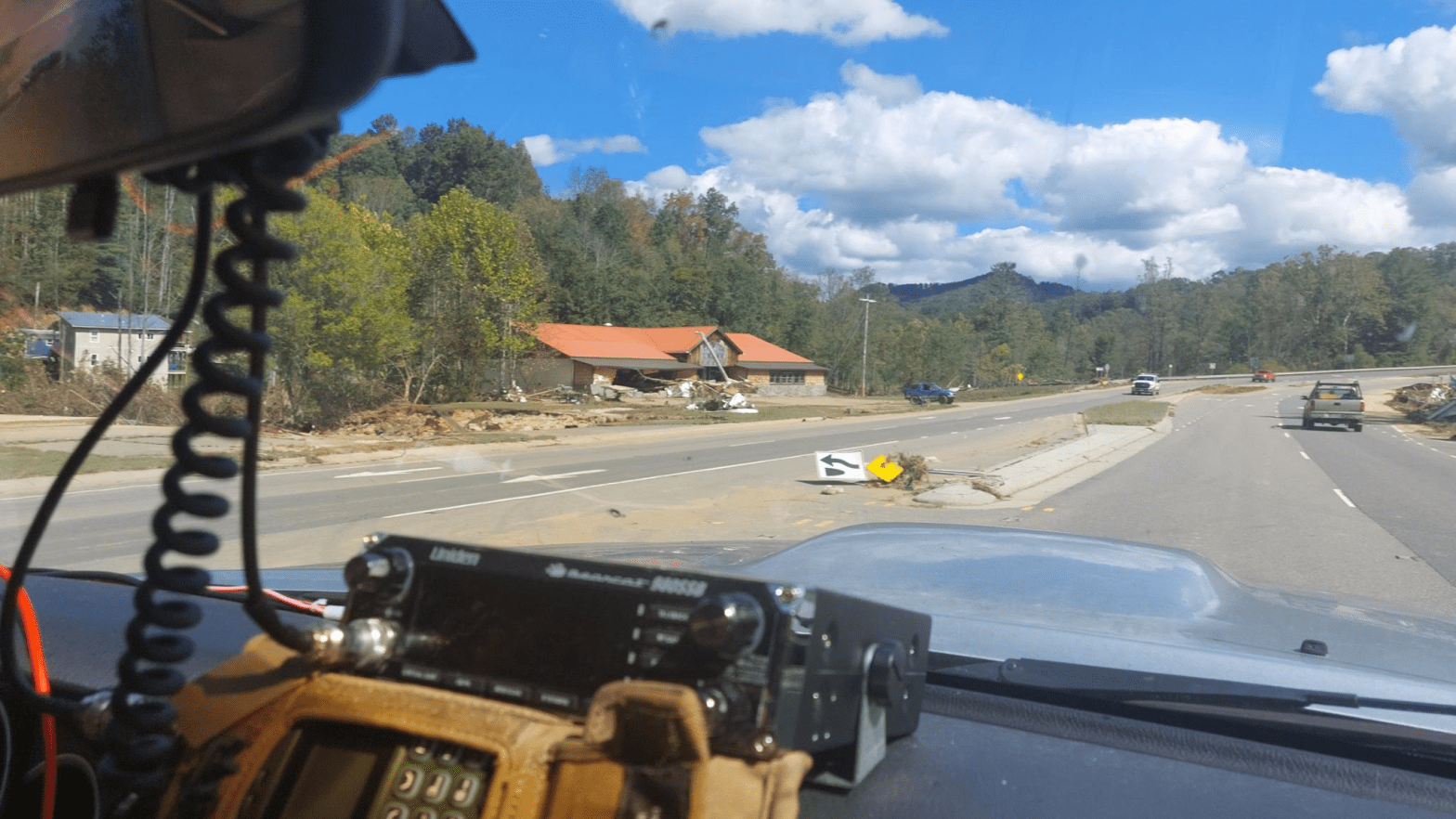
This is the third (and likely final) part of my team’s AAR following our operation supporting the relief efforts for Hurricane Helene in Western NC. If you haven’t already, check out Part 1, my interview with Tacticon Armament, and Part 2, the general AAR for how we conducted the operation. Otherwise you may be a bit confused as to what we were doing with this equipment.
Full disclosure: I am an Amazon affiliate, and some of the equipment that I list here has affiliate hyperlinks embedded. If you click on these links and buy the gear, I may make a small commission on the sale. You pay exactly the same price as you otherwise would, but by using my links you are supporting VSTAC at Amazon’s expense.
One might look at the equipment we used and think of it as a “bug out” setup, but we actually entered this operation with more of a maneuver warfare mindset. The “bug out” concept is leaving someplace with enough sustainment to get to another place away from the disaster. The “maneuver warfare” mindset we brought was the intention to bring enough sustainment to get into the disaster, do what we planned on doing, and then get out.
We expected resupply along the route, but knew that we couldn’t count on it once we entered the AO (nor did we want to drain the local resources while we were there). It wasn’t clear exactly where our “supply lines” would end, so we took every opportunity to top off our sustainment.
- Fuel: every time our fuel tanks read ¾, we topped off at the next open gas station.
- Food: We ate fast food en route to avoid dipping into our food stocks.
- Water: We topped off our canteens every time we stopped somewhere that we could do so.
- Power: We made one overnight stop in Spartanburg SC. We made sure to fully charge all electronics while we were there.
We kept this up until we left Spartanburg, SC on Thursday morning. From then on, we had to rely on the supplies that we brought with us.
Vehicles
I drove my 2d Gen Tacoma and my other driver took his jeep. Both vehicles performed well, but I’d say that my Tacoma was more useful on account of the carrying capacity in the bed. I could carry more supplies in my truck than the jeep could, which was a more efficient use of our fuel in convoys.
I brought 25 gallons of gasoline in 5 metal NATO jerry cans. These cans were fantastic as they are very rugged and have a good seal. Twice in other vehicles we saw plastic gas cans leak at the seams. This amount of fuel was enough combined with the 15 gallons in my tank to get me into the area, conduct all our convoys, and get me out of the area comfortably with three untouched jerry cans remaining.

- IMPROVE by bringing a small, highly mobile vehicle like a dirt bike for route reconnaissance and wellness checks to save fuel.
- IMPROVE by using a siphon kit to discretely refuel from jerry cans without drawing attention. We got some hard stares from folks while refueling, and once were asked to share gas. Fortunately we were at a POD that had extra fuel and we were able to send them over there. A siphon kit would have allowed us to fill our tanks without removing the jerry cans from the bed.
- It turns out that the jeep had one of these all along and I didn’t know or ask for it. IMPROVE standardizing our vehicle equipment so everyone knows what is in each vehicle.
- SUSTAIN bringing a small air compressor and a full-sized spare tire. It would not have been good if we’d had to drive 100+ miles out of the area on a donut because we got a flat tire. We didn’t have to use it, but it brought peace of mind.
- SUSTAIN the amount of fuel brought. Recommend planning to bring 5 gallons of extra fuel per day as a general guideline. This does not include travel into the operating area.
- IMPROVE carrying access tools. We had bolt cutters, but no chainsaw. We didn’t need to use either, but heard several accounts of others moving through the area who needed tools to clear paths for them to get around.
- IMPROVE our skill with tire repair kits. We had them, but were not 100% confident that we could employ them properly. We will practice on junk tires at a future meeting.
Planning/Battle Tracking
Once on the ground I carried a large notepad with me everywhere in a leather portfolio. This contributed greatly to my professional appearance when working with the locals, but wasn’t necessarily the best way for me to track what was happening in the area. I had a tablet with ATAK on it, which would have been incredibly useful if I knew how to use it properly.
- IMPROVE skill with ATAK and find an easy way to carry the tablet around and charge it. Mounting a tablet in my leather portfolio would have been perfect.
- SUSTAIN the use of a large, full-sized notepad for leaders operating out of vehicles. It is much better than trying to cram information on small rite-in-the-rain pages, although that can work in a pinch.
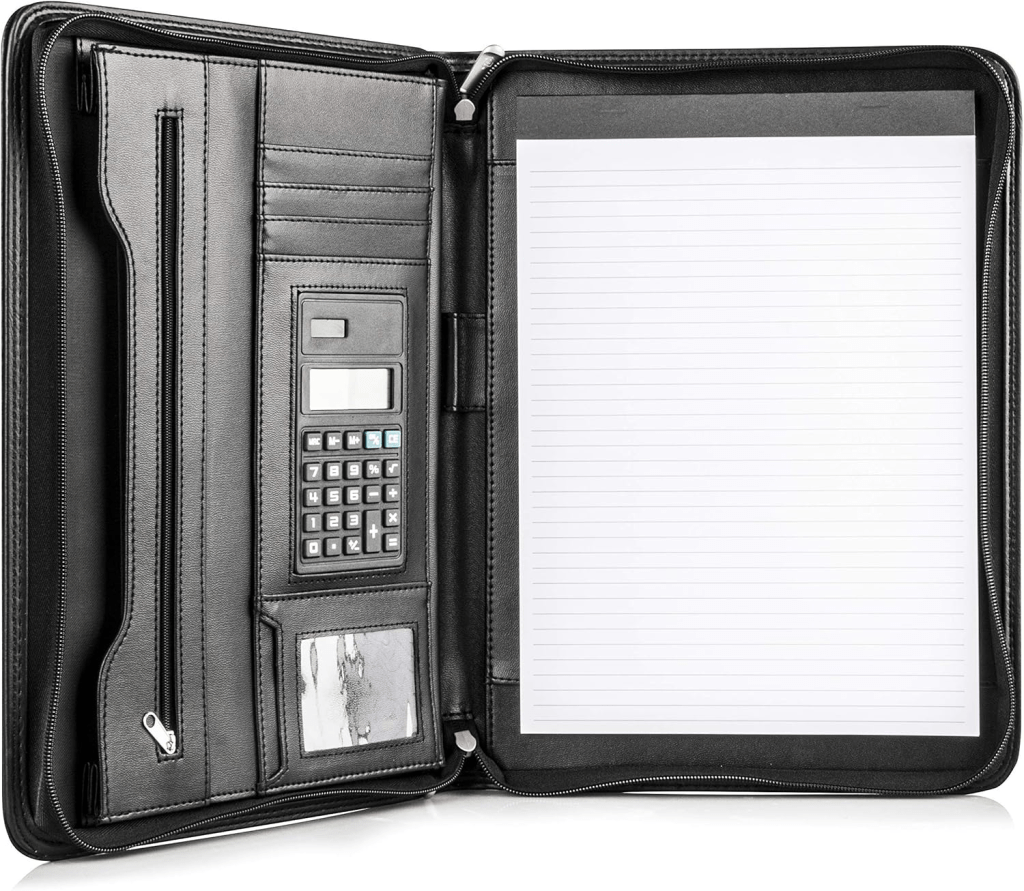
Affiliate link: https://amzn.to/4dPHUK1
- IMPROVE by bringing more detailed maps of the area and using a good map case. This would allow battle tracking independent of power supply and is a solid alternative to ATAK.
- IMPROVE maps by finding a way to print reliable and detailed topographical and road maps at a more zoomed-in scale (1:25,000 or better). Have these maps printed in advance for our local area and be able to print them on demand for expeditionary operations like this one where there is not enough time to order them.
Strategic Communications
We wanted to communicate with our intelligence section back in coastal North Carolina. This was well outside the range of any of our current radio capabilities, although it was theoretically possible using an HF NVIS setup. We had to rely on existing LTE networks and a borrowed Starlink system that was donated to us for the duration of this mission. LTE worked until we entered the AO, at which point we had to rely on Starlink alone.
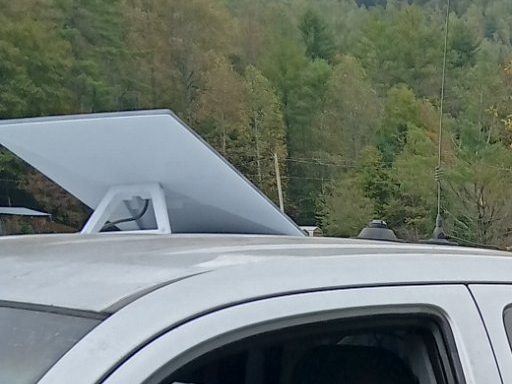
- SUSTAIN the use of Starlink and IMPROVE by buying our own system. It was critical not just for communications home but also for posting updates about our progress online to direct other volunteers and resources where they were needed most. Recommend one per small unit (Platoon/MAG or lower). It is NOT necessary to have one per vehicle or household.
- IMPROVE our radio capabilities by investing more into HF systems so that we can extend our communications range without needing to rely on outside infrastructure.
- SUSTAIN the practice of keeping all electronic devices on chargers anytime the vehicles were running to keep their batteries topped off.
- SUSTAIN the use of solar panels to recharge devices without burning precious fuel by idling vehicle engines. If there’s enough interest, I can do a separate article on my solar power “go bag”.
Tactical Communications
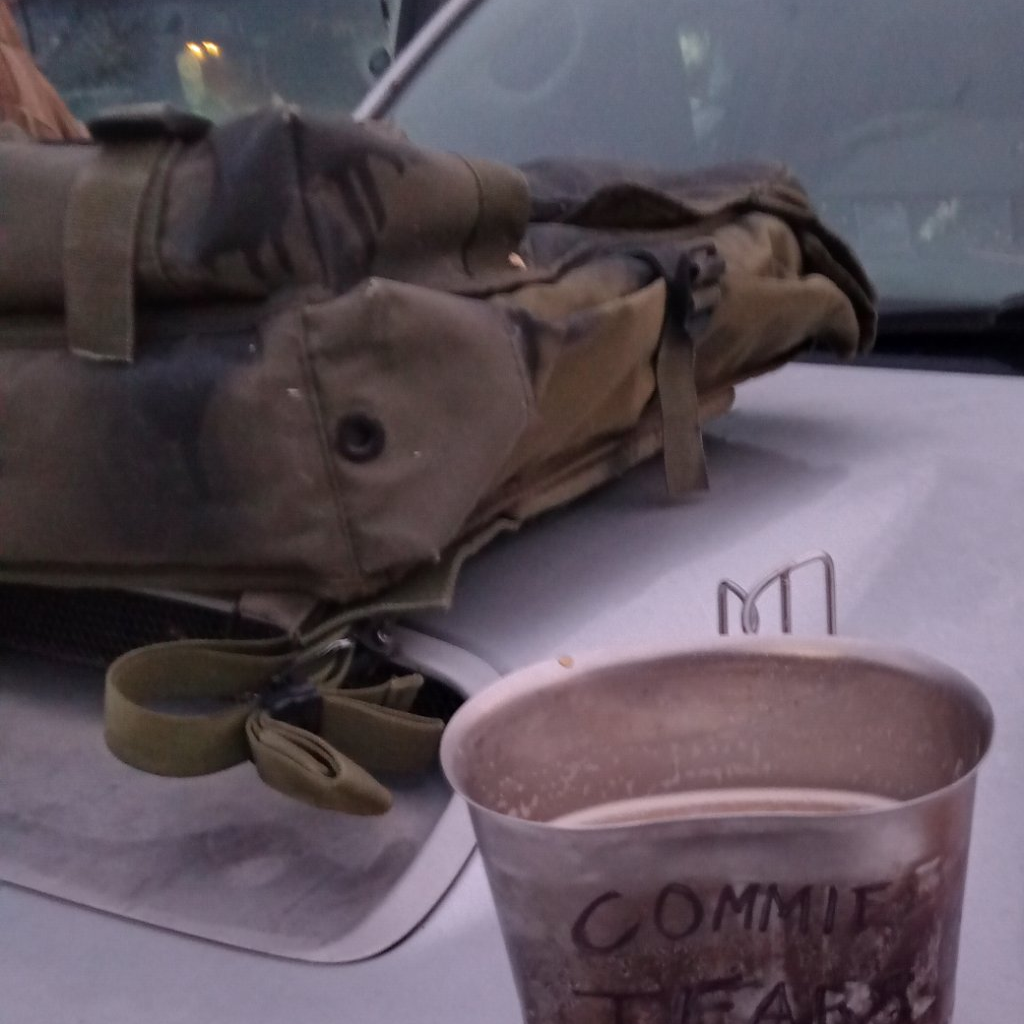
On the ground, we needed to communicate from vehicle-to-vehicle during convoys, and person-to-person when dismounted. Not everyone needs a radio, but everyone who goes somewhere by themselves needs a radio. I had a Baofeng AR-152 in my truck hooked up to a magnetic roof antenna with a “trucker mic”. When dismounted, I disconnected the radio from the cable, mounted a short antenna to the BNC connector on the antenna port, and placed it in a pouch on my hip. The Jeep had a 25W mini-mobile radio properly installed, and my Jeep driver had a UV-5R for when he dismounted.
I also had a CB radio (Bearcat 980 SSB) installed in my truck. This was useful for SIGINT on the highway, but was almost useless from Thursday on because A: nobody else had a CB for me to talk to, and B: the tall Wilson antenna on my roof kept hitting low power lines once we started running convoys off of the main highways. I had to remove the antenna and toss it in my truck for the rest of the week.
We occasionally had unaffiliated volunteers help us on convoys. These volunteers either had no radios or FRS walkie-talkies, which we could reprogram our radios to talk to.
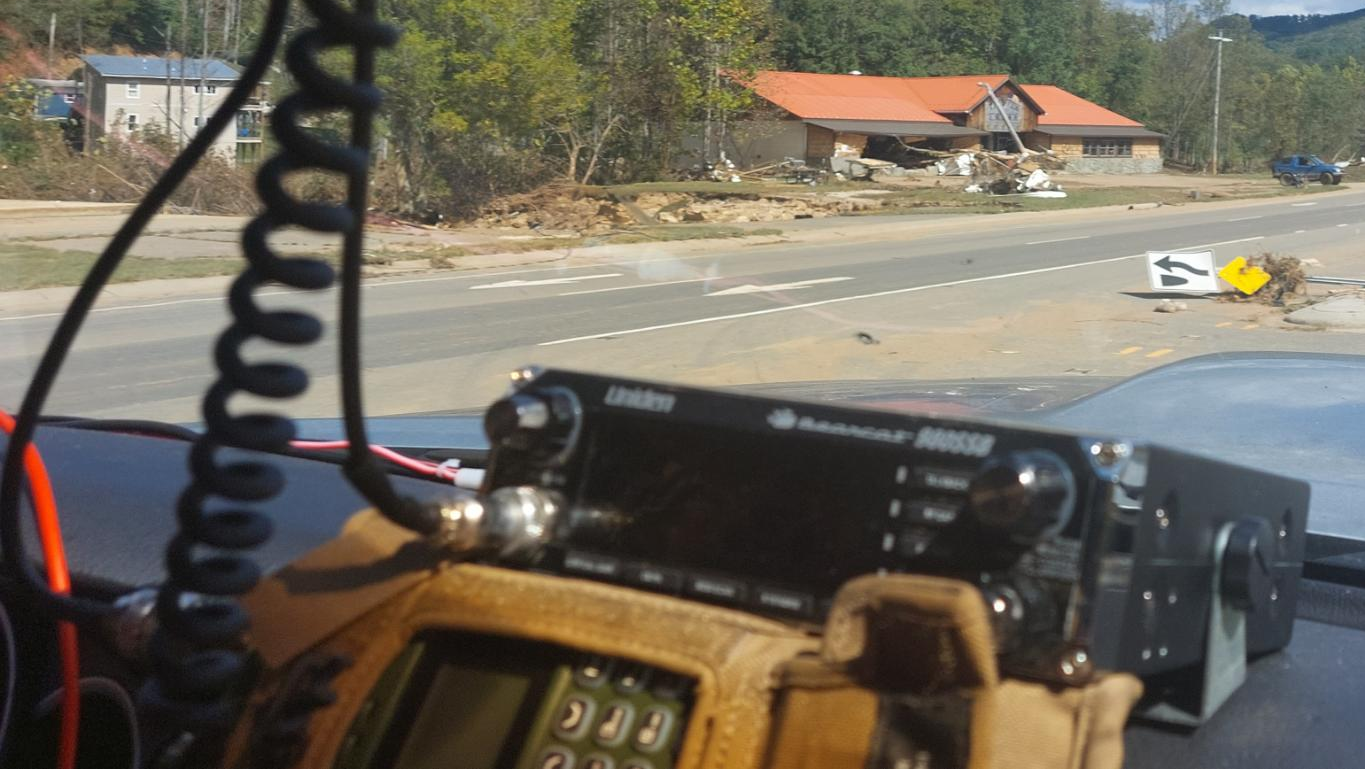
- SUSTAIN the AR-152/magnetic roof antenna as a reliable way to install communications in a vehicle without permanently modifying it. My exact setup is below:
- IMPROVE by getting a shorter CB antenna, preferably one that screws into the same Wilson base.
- IMPROVE by having a dedicated, separate radio to use while dismounted to avoid needing to constantly switch one AR-152 from my hip to the dash of my truck.
- IMPROVE convoys with unaffiliated volunteers by bringing a 10-pack of either UV-5Rs or UV-9Rs to hand out one to each vehicle. These radios should already be pre-programmed with all FRS and MURS frequencies. Recommend leaving the RGR beep on for the “extra” radios to identify when someone untrained is transmitting. They also need the belt clips attached.
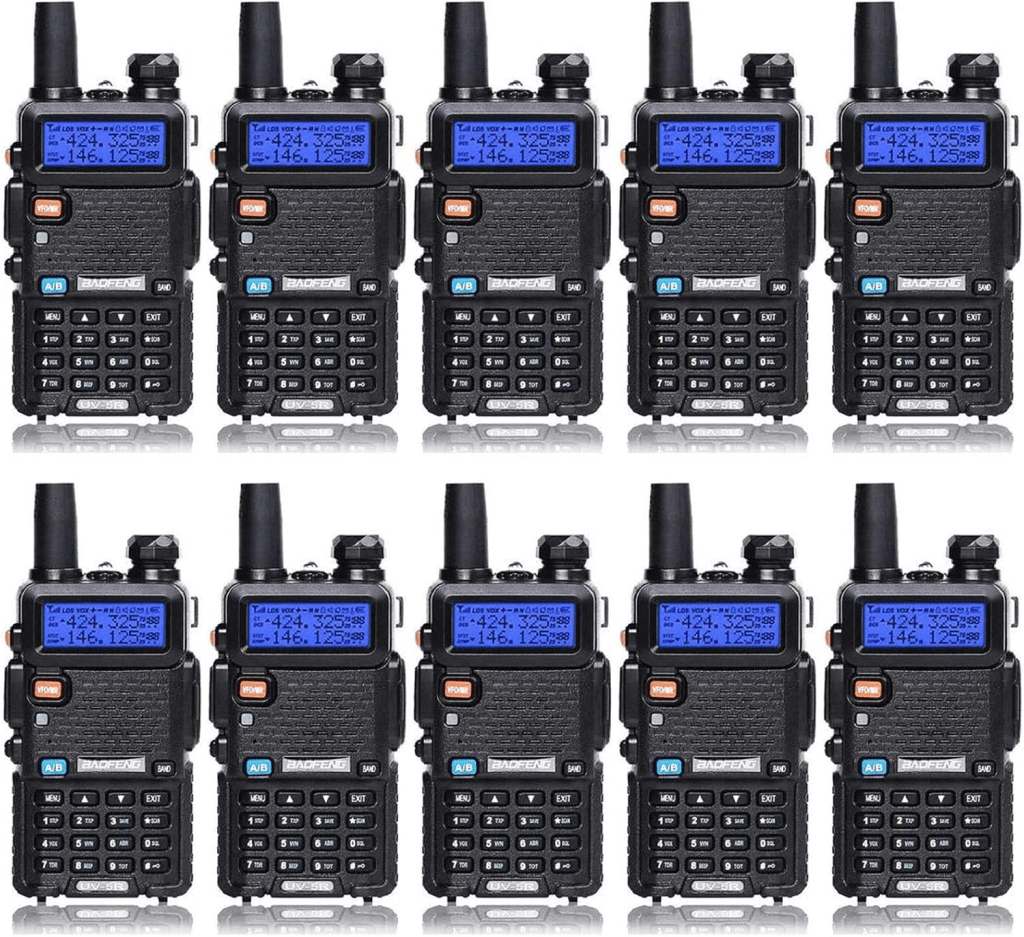
Affiliate link: https://amzn.to/3BLuOjH
- SUSTAIN positioning trained personnel spaced out throughout the convoy to help control it.
- SUSTAIN having extra radios for dismounts. Recommend having one “dismount radio” per vehicle, excluding handout radios.
- IMPROVE interoperability by making FRS/MURS/GMRS “cheat sheet” cards. These cards should be printed, laminated, and taped to the back of each radio. We didn’t do this and had to use the Starlink to look up FRS frequencies.
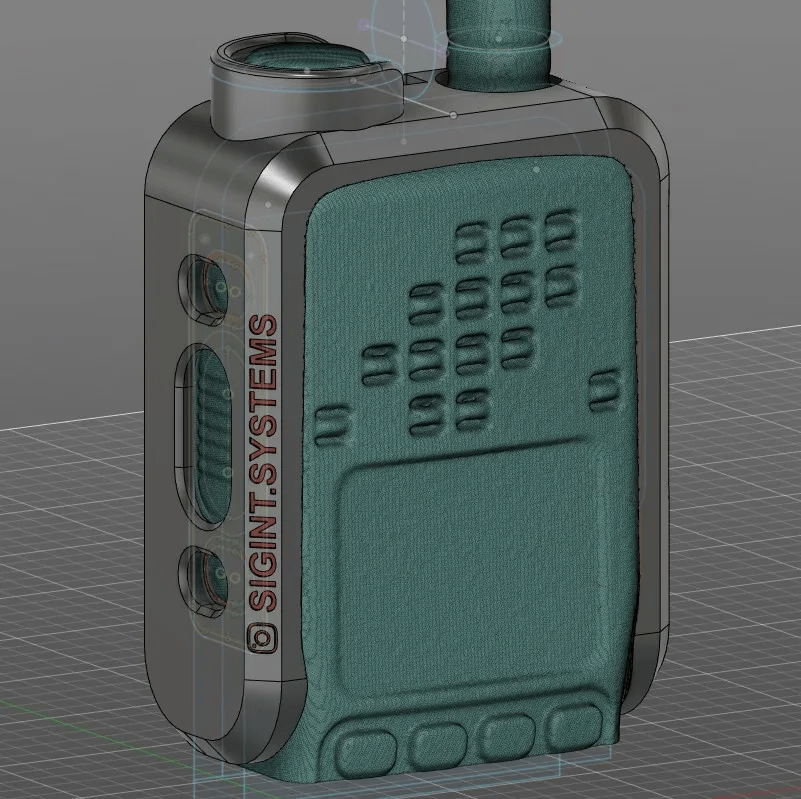
- SUSTAIN using this 3d-printed exoskeleton with a ranger band to hold the accessory plug in place. Without this exact setup, accessories with the AR-152 (PTTs, headsets, etc.) are unreliable. Knob protectors that do not extend down the sides of the radio will not work as well because the ranger band will slide and hold down the PTT button.
Weapons
We brought handguns and rifles, although as mentioned above we (thankfully) didn’t need the rifles. We were glad that we had them, though, just in case the security situation deteriorated further.
I was carrying a Sig P365. This is my EDC handgun, and I typically appendix carry it. To avoid bringing two handguns, I brought an OWB paddle holster and an extended magazine. That way, when we elevated our security posture from concealed to open carry, I was able to carry it more comfortably on my hip. It being a compact handgun wasn’t a concern, as I train with it regularly and am confident in my skill as a pistoleer.
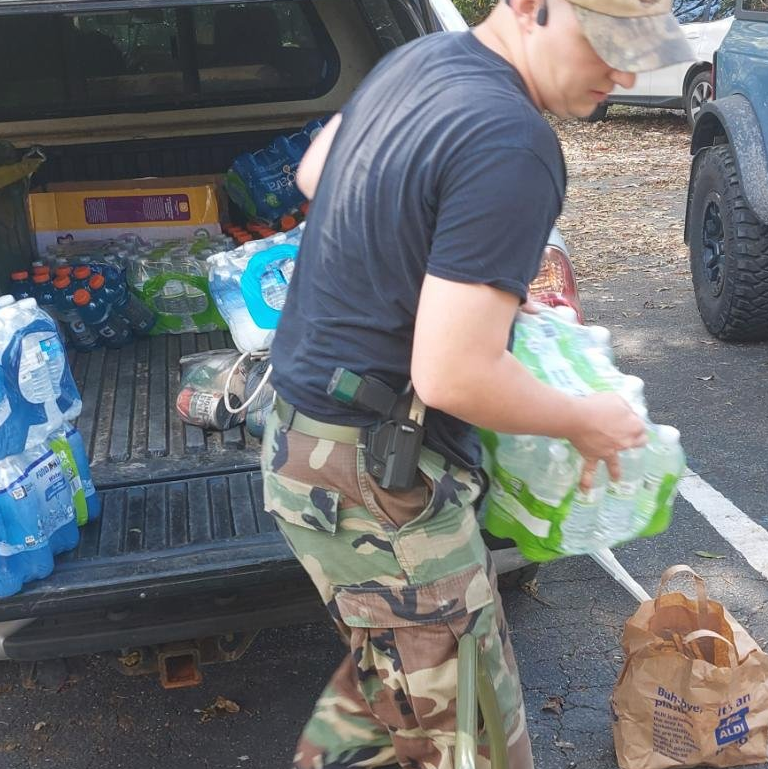
My rifle choice/setup was irrelevant since it wasn’t really used.
- SUSTAIN using a handheld tactical flashlight instead of (or in addition to) a weapon-mounted light. This allowed us to illuminate shadowed areas while on guard duty at night without drawing a weapon.
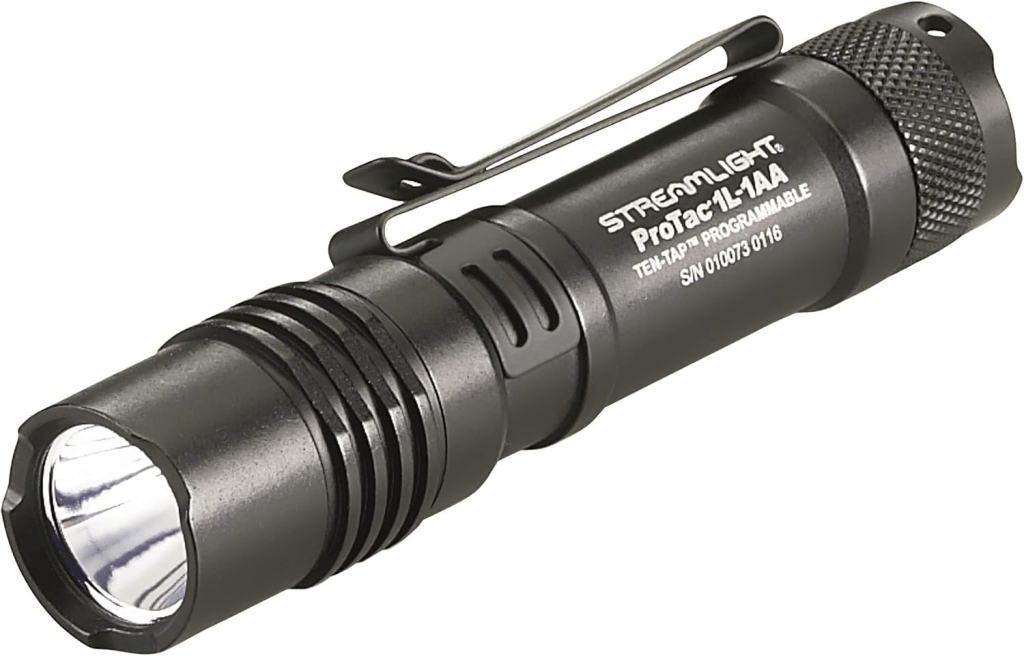
Affiliate link: https://amzn.to/3zQLypb
- SUSTAIN bringing a second holster and extended magazine instead of a second handgun.
- SUSTAIN training at 100yds with my handgun, as that eliminated any uncertainty regarding my capabilities with it. I know that I have a 25% hit rate at 100yds and about a 90% hit rate at 50yds with my EDC handgun because I run it at competitions.
Conclusion
There were several other things that we brought/used on this trip. Food, water, clothing, etc. But I didn’t include them in this AAR because those things are mostly common sense. If I omitted something that you have a question about, feel free to leave a comment and I will do my best to answer your questions.
In all, this mission was a success because we realistically evaluated our capabilities as a team and didn’t try to go beyond them. We’re not a trained SAR team, so we didn’t go to do SAR. We are just a bunch of men with trucks and gear, so we conducted logistics support in the form of convoy operations and wellness checks. And we were effective in that role.
Do the same for your team. Know your people and their capabilities so you can employ them within their capabilities. Continue to seek training to expand your skillset and capabilities as a team.
Semper Discens.
 Von Steuben Training & Consulting
I’ll second a request for the solar power go-kit write up.
LikeLike
thanks Mike. Great write up.
Jay
@va_minuteman
LikeLike
Thanks!
LikeLike
Nice job – and great write-up! Blessed to have good people like yourselves on the ground.
LikeLike